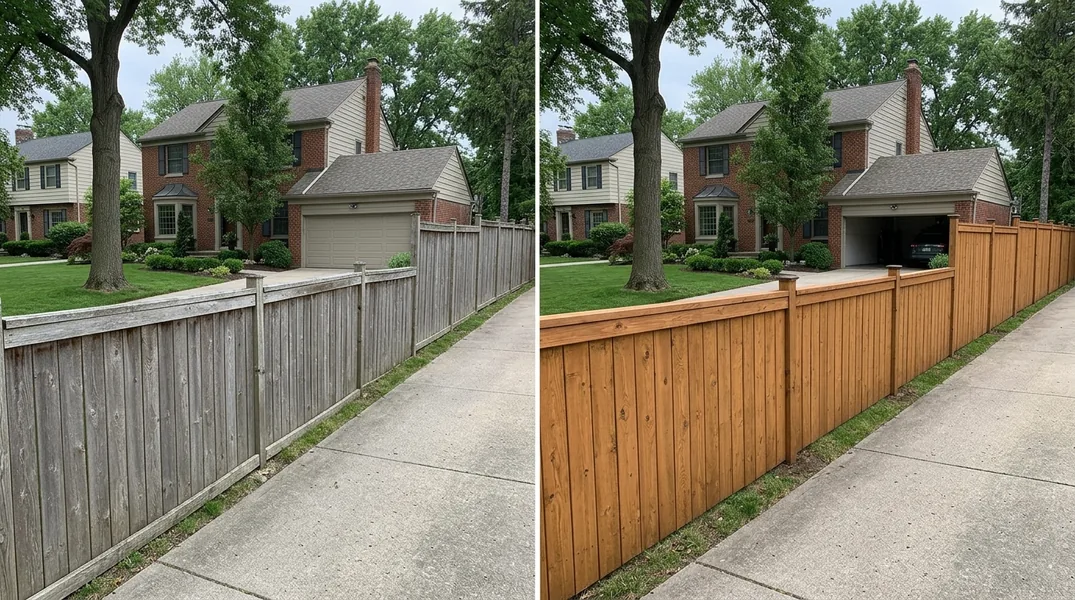
Understanding Michigan's Frost Line and Why It Matters for Fence Posts
If you're planning a Wood & Privacy Fence Installation in Detroit or anywhere across Michigan, one of the most critical factors in your project's success is understanding the frost line. The frost line, also called the frost depth, is the maximum depth at which soil freezes during winter. In Michigan, this depth typically ranges from 42 to 48 inches, depending on your specific location and local soil conditions. This measurement is far more than just a number on a surveyor's map; it's the key to ensuring your fence stands straight and strong for decades to come.
Why does the frost line matter so much? When water in the soil freezes, it expands. If your fence posts don't extend below the frost line, the frozen ground can push upward on the post, causing what's called heave. Over multiple freeze-thaw cycles, this heave gradually lifts posts out of the ground, creating gaps, tilting sections, and eventually structural failure. Homeowners in Warren and surrounding areas have learned this lesson the hard way, watching their fences shift and settle after just a few winters. By installing posts deep enough to anchor below the frost line, you eliminate this problem entirely and protect your investment from Michigan's harsh winters.
How Deep Should Fence Posts Go in Michigan?
The standard recommendation for fence post depth in Michigan is a minimum of 42 to 48 inches below ground level, with many professionals recommending going even deeper when possible. A common rule of thumb used by experienced installers is that one-third of the post should be underground. For a standard 6-foot fence, this means approximately 2 feet of post should be buried. However, in Michigan's climate, this traditional formula often falls short of the frost line requirement, so the deeper frost line measurement should take priority. For taller fences or those in areas with particularly heavy soil movement, going 4 feet deep or deeper provides extra insurance against future settling issues.
The depth also depends on the type of fence you're installing. Vinyl & PVC Fence Installation typically follows similar depth guidelines as wood fencing, though vinyl posts may be slightly more forgiving due to their material properties. Chain Link Fence Installation often uses the same 42 to 48-inch standard, while Aluminum & Ornamental Iron Fencing may have different specifications based on the post style and weight of the materials. When in doubt, deeper is always safer in Michigan's freeze-thaw environment. If you're uncertain about the right depth for your specific project, reaching out to a local professional for a free estimate can provide clarity tailored to your property and fence type.
Setting Fence Posts in Concrete: The Michigan Standard
Setting fence posts in concrete is the most reliable method for achieving proper depth and stability in Michigan. When you set a post in concrete, you're not just anchoring it at a single depth; you're creating a rigid foundation that resists the heaving forces of winter frost. The concrete should extend from the bottom of the post hole to at least ground level, and ideally 4 to 6 inches above grade. This creates a slight mound around the post base that helps shed water away from the wood, reducing rot and extending the life of your fence significantly.
The concrete mix itself matters. A standard concrete mix of 3,000 PSI (pounds per square inch) is appropriate for most residential fence installations. The hole should be dug to your target depth (42 to 48 inches minimum), and the post should be set plumb (perfectly vertical) before the concrete is poured. Many homeowners make the mistake of using too little concrete or not allowing it to cure properly. Concrete needs at least 24 to 48 hours to cure fully before the fence experiences any significant stress. In Michigan's cooler months, curing time may extend even longer. Some professionals recommend waiting a full week before hanging gates or applying heavy loads to newly set posts. If you're tackling this project yourself, patience during the curing phase will pay dividends in fence longevity.
Alternative Methods: Gravel, Tamped Soil, and When They Fall Short
Not all fence post installation methods are created equal, especially in Michigan's climate. Some homeowners and budget-conscious installers use gravel or tamped soil instead of concrete. While these methods are faster and cheaper initially, they consistently underperform in Michigan's freeze-thaw cycles. Gravel provides minimal resistance to heaving forces, and tamped soil compacts over time, creating voids that allow posts to shift. Within two to three winters, posts set this way often begin to lean or settle noticeably. The small upfront savings quickly evaporate when you're faced with expensive repairs or a complete fence replacement.
Concrete remains the gold standard for a reason. It locks the post in place regardless of soil conditions and provides consistent performance across different soil types and moisture levels. Some professionals use a hybrid approach, placing gravel at the bottom of the hole for drainage and then surrounding the post with concrete. This combines the best of both methods, allowing water to drain away while keeping the post firmly anchored. For homeowners in Sterling Heights, Dearborn, and throughout the greater Detroit area, concrete installation is the only method that truly stands up to Michigan winters.
Wood & Privacy Fence Installation Near Me: When to Call a Professional
While some homeowners feel confident tackling fence post installation themselves, the process involves more variables than it might appear. Determining exact frost line depth for your specific property, digging to the correct depth, ensuring posts are perfectly plumb, mixing and pouring concrete properly, and allowing adequate curing time all require knowledge and precision. A single mistake in any of these steps can compromise your entire fence's performance. Professional installers have invested in the right tools, understand local soil conditions, and know exactly how Michigan's climate affects fence installations based on years of experience.
Detroit Fence Pros serves homeowners throughout the Detroit area who want fence installations done right the first time. Our team understands Michigan's unique challenges and applies best practices specific to our region's climate and soil conditions. Whether you're interested in wood, vinyl, chain link, or aluminum fencing, we can handle everything from initial site assessment to final installation. We'll ensure your posts are set at the correct depth with proper concrete installation, giving you a fence that will last for decades. If you're ready to invest in a quality fence built to withstand Michigan winters, contact us today at (313) 513-0521 or request a free estimate to discuss your project.
Maintenance and Long-Term Care for Properly Installed Posts
Once your fence posts are properly installed at the correct depth with concrete, your job isn't entirely finished. Regular maintenance ensures your fence continues to perform well for years to come. Inspect posts annually, especially after harsh winters, for any signs of heaving, leaning, or concrete deterioration. Water drainage around the base of posts is critical; ensure the concrete hasn't cracked and that water is shedding away from the post rather than pooling around it. For wood posts, periodic sealing or staining protects against rot, which can weaken the wood even if the post itself hasn't moved.
In Michigan, the freeze-thaw cycle continues year after year, and while properly installed posts handle this stress well, monitoring them helps catch any issues early. If you notice a post beginning to lean or concrete starting to crack significantly, address it promptly rather than waiting for the problem to worsen. Small repairs now prevent major fence failures later. Detroit Fence Pros can help with maintenance advice or repairs if issues develop. Our experience with Michigan's climate means we understand exactly what to watch for and how to keep your fence in top condition for the long term.
Looking for a professional tree service in Detroit? Detroit Fence Pros responds fast for all your fence needs.
Get a Free Quote